CNC machining is at the centre of almost everything we build. It is where digital precision meets physical material. Computer Numerical Control machining takes a CAD file and translates it into a cutting path, a set of exact instructions that drives a spindle through material with tolerances measured in fractions of a millimetre. The result is parts that are dimensionally consistent, surface-ready and repeatable. Whether we are machining a single prototype component or a batch of identical display panels, the geometry comes out right every time. We run multi-axis CNC machining in-house at our High Wycombe studio, working across a wide range of materials. Model board, polyurethane foam and resin, MDF, ply, acrylic, ABS, aluminium and other metals. Our CAD team generates the toolpaths in-house, which means there is no file translation gap between design intent and what the machine cuts.

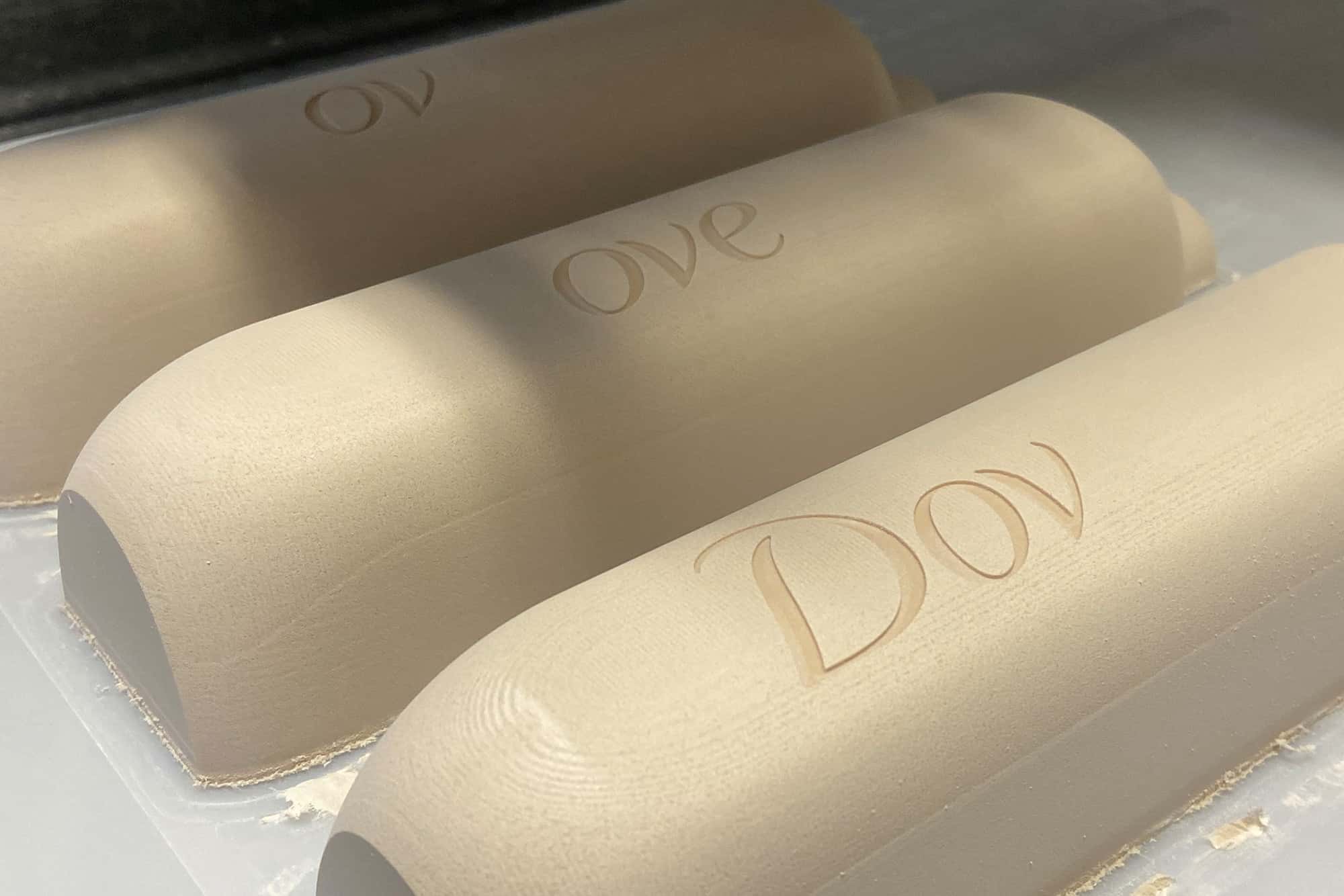


What We Machine Structural components for bespoke fabrication builds. Vacuum forming tools and jigs. Display plinths, panels and housings. Prototype parts for product development. Architectural model elements requiring precise geometry. Mould patterns for casting. If it needs to be dimensionally accurate and consistently reproduced, CNC is usually the right process. CAM: Closing the Loop CAM (Computer-Aided Manufacturing) is the link between our CAD models and the machine. It is the software that generates toolpaths, defines cut depths and speeds, and simulates the machining sequence before the spindle touches the material. We run CAM in-house alongside our design work, which means we can optimise for the specific material, tool geometry and surface finish required on each job. No external CAM bureaus, no delays, no interpretation errors.