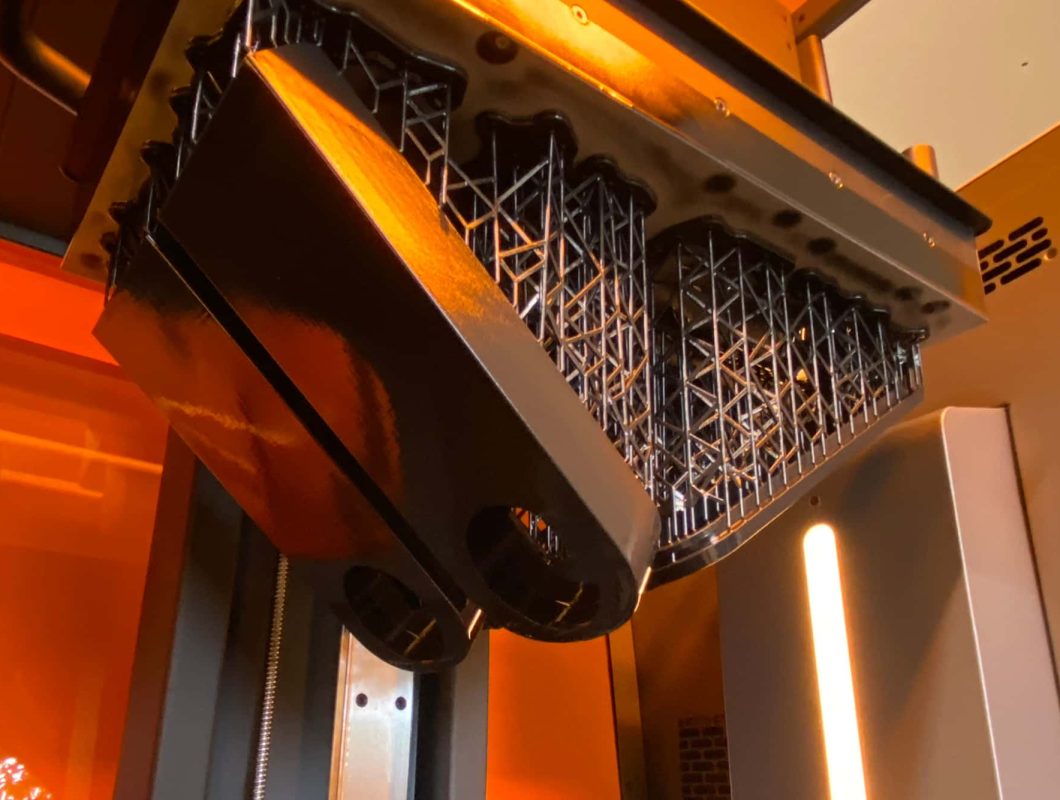
3D printing has changed what is possible at the prototype and short-run production stage. We use it where it genuinely adds value, not as a default. Additive manufacturing builds parts layer by layer from a digital file, which means it can produce geometries that are impossible or prohibitively expensive to machine. Internal channels, complex organic surfaces, undercuts, lattice structures. For prototype parts, concept models and short-run components, it is often the fastest and most cost-effective route from CAD to physical object. We run FDM and resin printing in-house, covering a range of materials and finish quality levels. Parts can be used straight off the machine for functional testing, or post-processed, sanded, primed, painted and finished, to presentation standard. We also use 3D printing to produce patterns and masters for vacuum casting, which extends the process into small production runs.


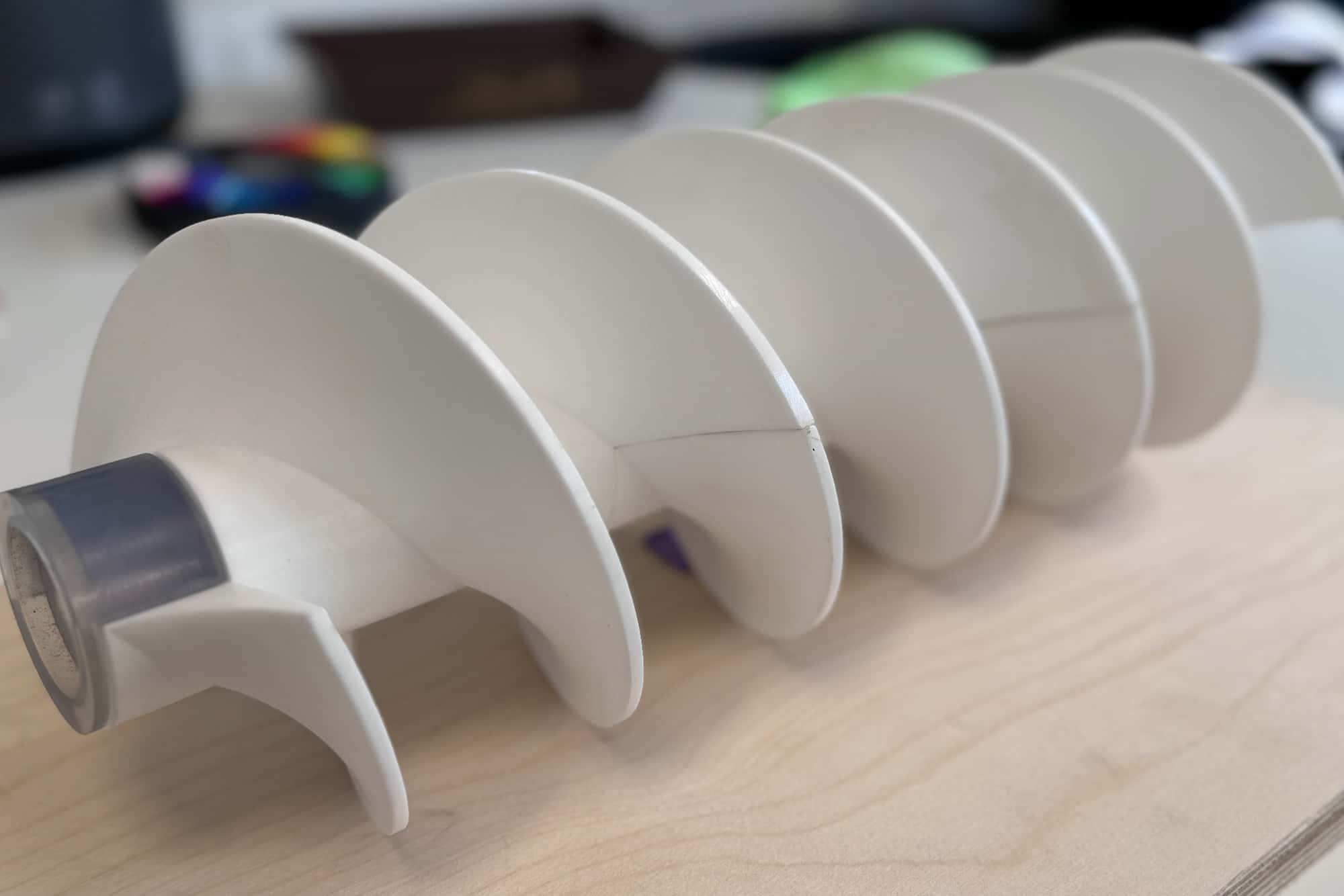

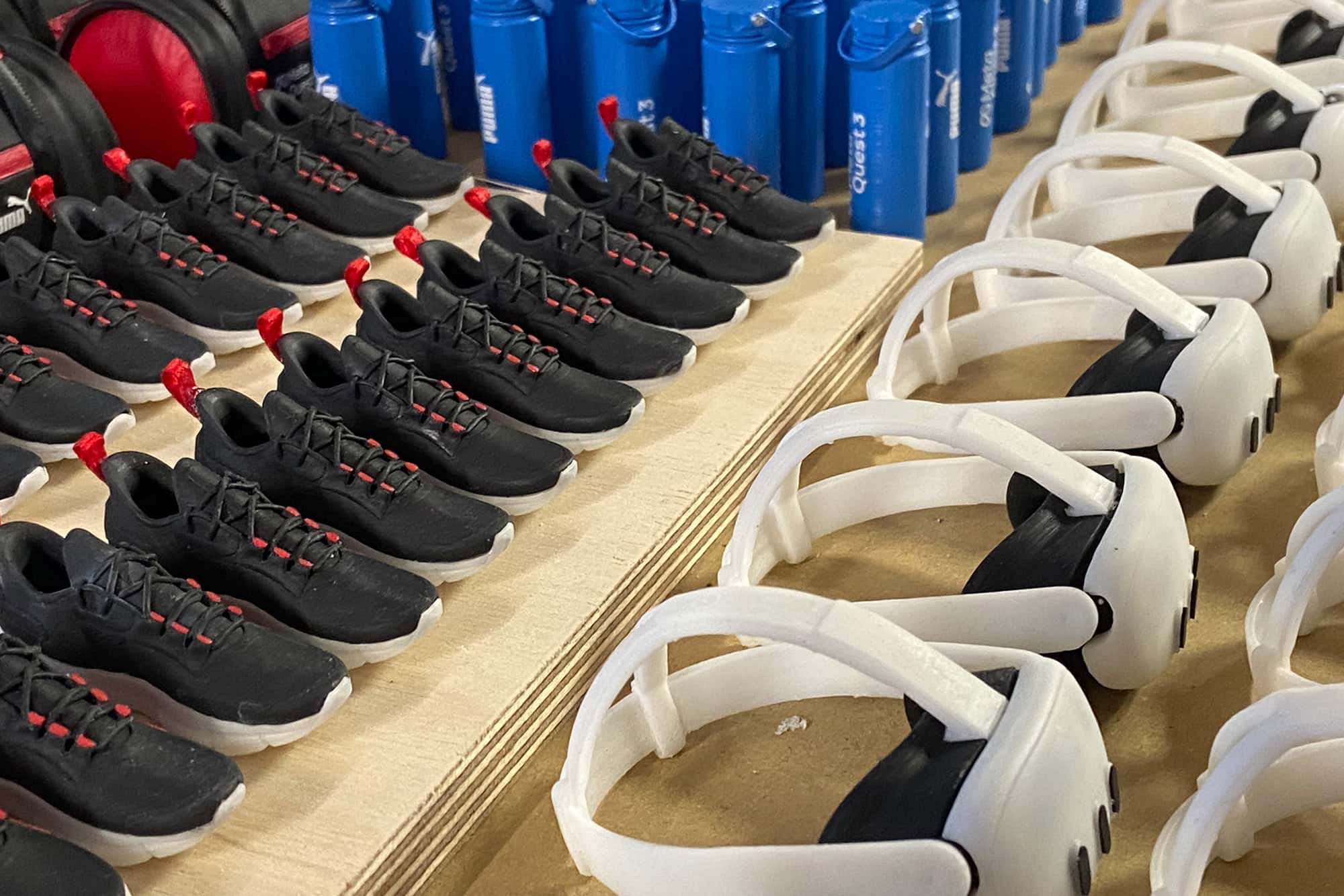
When We Use It Concept models for client presentations. Functional prototypes for testing fit and ergonomics. Jigs and fixtures for other manufacturing processes. Patterns for vacuum casting masters. Complex geometric elements within larger fabrication builds. Small production runs of identical components where tooling cost is not justified. When We Do Not 3D printing is not always the right answer. For parts requiring high surface quality straight off the machine, tight dimensional tolerances, or material properties that printed plastics cannot match, we will recommend CNC machining, vacuum forming or casting instead. We will always tell you which process makes most sense for your specific brief.